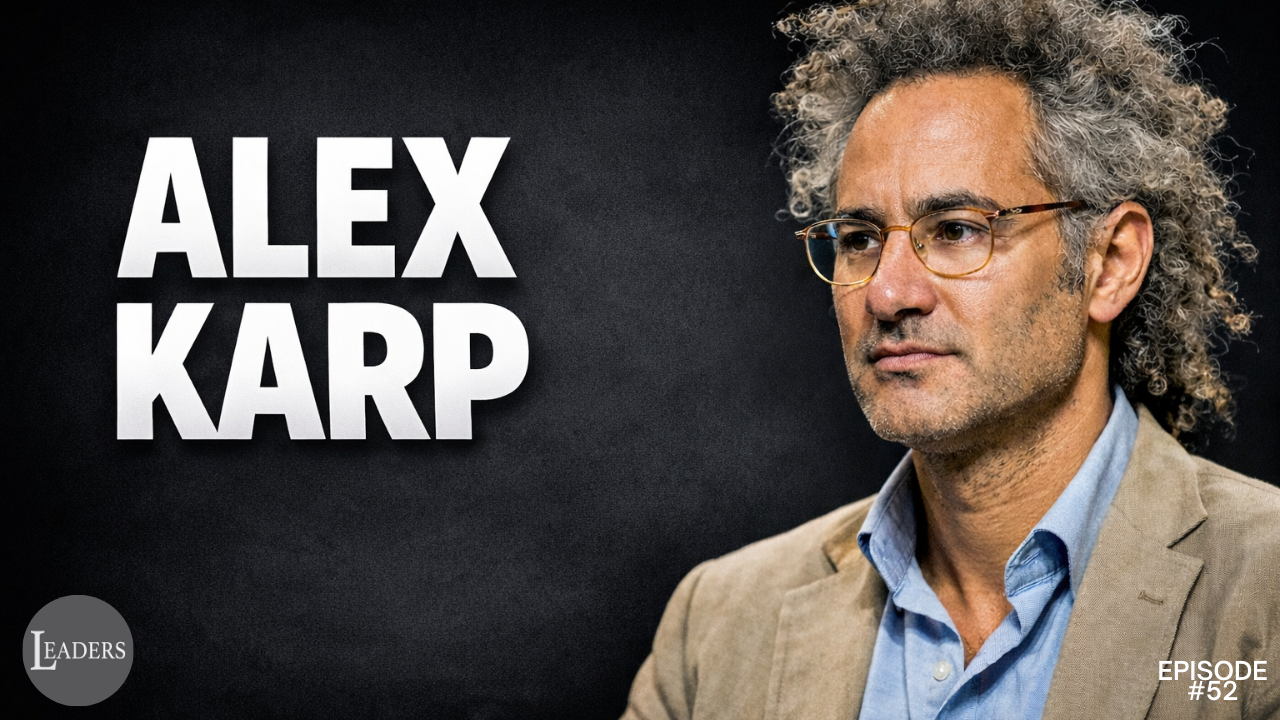
Alex Karp’s Leadership Style: Lessons from Palantir’s Unconventional CEO
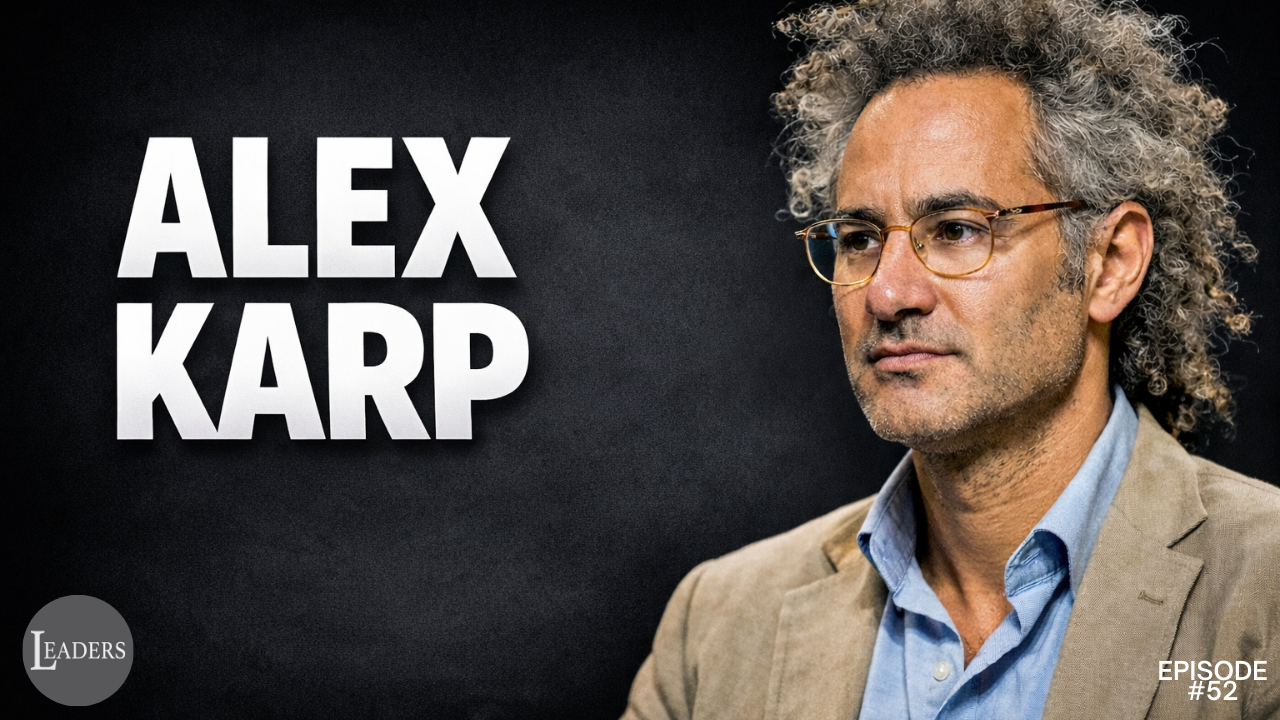
“If you want to build something that matters, you have to be willing to be misunderstood for a very long time.”
— Alex Karp
Palantir went public in 2020 with a valuation north of $20 billion. No flashy consumer app. No growth-at-all-costs pitch. No founder doing podcast circuits to boost personal brand equity.
Instead, Alex Karp showed up sounding more like a political philosopher than a tech CEO.
That wasn’t an accident. It was the strategy.
Karp’s leadership style is not optimized for popularity. It’s optimized for endurance. And in an industry obsessed with optics, that makes him one of the most interesting leaders of our time.
Let’s break down how he leads—and what serious operators can actually learn from it.
1. He Optimizes for Mission, Not Applause
Most CEOs quietly shape their decisions around external validation. Analysts. Media. Silicon Valley consensus. Karp does the opposite.
Palantir was built to serve governments, intelligence agencies, and institutions dealing with existential risk. That choice alone guaranteed controversy. Instead of softening the message, Karp leaned into it. Hard.
He speaks openly about national security. About power. About the moral responsibility of technology. These are topics most CEOs avoid like landmines.
Here’s the leadership lesson: clarity beats likability.
Actionable takeaway:
Write down the non-negotiable purpose of what you’re building.
Then ask: What decisions would I make if I stopped caring how this sounds on Twitter?
Make one of those decisions this quarter.
It will feel uncomfortable. That’s the point.
2. He Hires for Conviction, Not Compliance
Karp doesn’t want agreeable employees. He wants thinkers who can defend an idea under pressure.
At Palantir, engineers are expected to understand the why behind the work, not just execute tickets. The culture rewards intellectual rigor. Debate is normal. Pushback is welcomed—if it’s grounded in first principles.
This is expensive. It’s slower. And it’s much harder to manage.
But it creates something rare: a team that can operate independently in high-stakes environments.
Short sentence. This is not for everyone.
Actionable takeaway:
In your next hire, test for depth of belief, not just skill.
Ask: What’s an unpopular opinion you hold professionally?
Listen carefully to how they reason, not what they conclude.
Strong teams aren’t aligned because they agree. They’re aligned because they think clearly.
3. He Thinks in Decades, Not Quarters
Karp openly criticizes short-termism in public markets. He structured Palantir’s direct listing to avoid the IPO roadshow circus. He consistently frames success in years, not earnings calls.
This long-term posture shows up everywhere:
Customer selection
Product development
Public communication
Capital allocation
While others chase growth metrics, Palantir chased strategic relevance.
And yes, the stock has been volatile. Karp didn’t flinch.
Actionable takeaway:
Identify one area where short-term optimization is quietly harming long-term strength.
Reverse it—even if the immediate numbers look worse.
Explain the trade-off clearly to your team.
Leadership isn’t about avoiding volatility. It’s about choosing which volatility you’re willing to endure.
4. He Embraces Being Misunderstood
This might be Karp’s defining trait.
He doesn’t simplify his thinking to make it easier to digest. He doesn’t sanitize his language. He doesn’t try to sound like a consensus CEO.
That choice comes with costs. Media caricatures. Investor confusion. Cultural friction.
But it also creates a moat.
Because when pressure hits—real pressure—leaders who rely on approval crumble. Leaders who rely on conviction don’t.
I’ll say it plainly: comfort with misunderstanding is a leadership superpower.
Actionable takeaway:
Pay attention to where you’re over-explaining to gain approval.
Tighten the message. Say less.
Let the right people lean in. Let the wrong ones opt out.
You’re not running for office. You’re building something.
5. He Treats Power as a Responsibility, Not a Side Effect
Most tech leaders talk about “impact.” Karp talks about power.
Who has it. How it’s used. And what happens when technologists pretend their tools are neutral.
This worldview shapes Palantir’s ethics, customer choices, and internal culture. It also explains why Karp spends more time referencing history and political theory than growth hacks.
He understands something many leaders miss: technology doesn’t remove moral responsibility—it amplifies it.
Actionable takeaway:
Map where your product or decisions concentrate power.
Ask who benefits if everything goes right—and who pays if it goes wrong.
Build guardrails before someone forces you to.
This isn’t philosophy for philosophy’s sake. It’s risk management at the highest level.
The Real Lesson of Alex Karp’s Leadership
Alex Karp is not a template. Copying his style would be a mistake.
But copying his principles wouldn’t.
He leads with conviction over consensus. Depth over speed. Purpose over optics. Long-term relevance over short-term praise.
In a business culture addicted to immediacy, that’s radical.
And increasingly, it’s effective.
If you’re building something meant to last—really last—Alex Karp offers a clear reminder:
Serious leadership isn’t about being liked.
It’s about being right for long enough.
Even when no one’s clapping.
Especially then.

Larry Culp’s Leadership Style: How Quiet Discipline Rebuilt GE